London Design Festival 2026 Starts Saturday — 7 Projects and 11 Districts to Know
London’s city-wide design week returns this Saturday, and the useful way to approach it is not as one fair under one roof. The 24th London Design Festival runs 12–20 September 2026, spreading installations, exhibitions, talks and showroom events across museums, public spaces and 11 design districts.
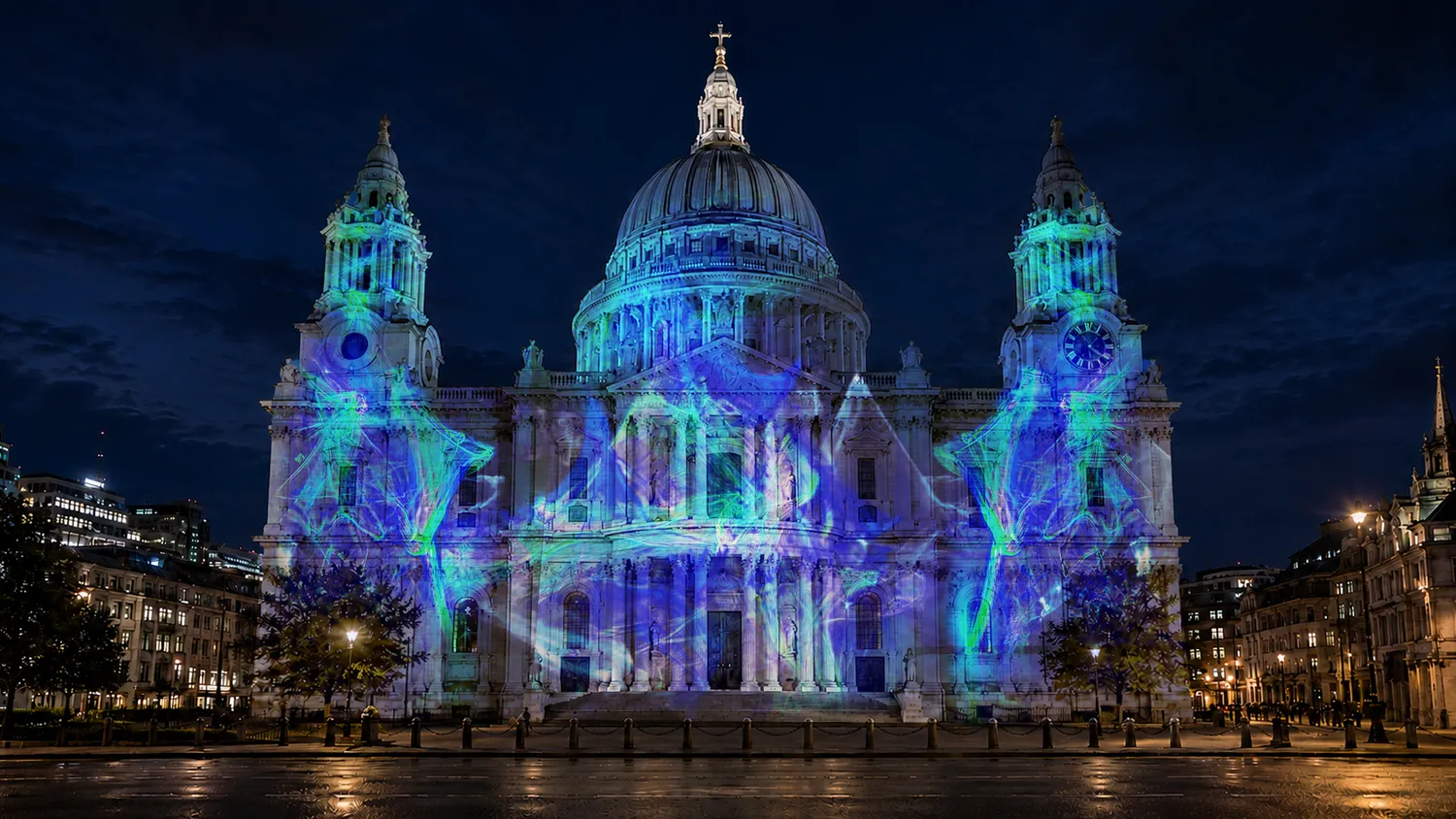
This year’s strongest thread is the collision of craft, material history and new technology. From light projected onto St Paul’s Cathedral to a bamboo pavilion on Strand Aldwych, several of the headline projects turn architecture itself into the exhibition.
The dates to put in your calendar
London Design Festival opens on Saturday 12 September and runs through Sunday 20 September. The programme is distributed across the city, so the practical strategy is to choose a district or two per day rather than chase individual events across London.
Shoreditch Design Week, described by LDF as its largest dedicated district, runs 15–20 September and brings together more than 60 showrooms, galleries and creative spaces. Elsewhere, Soho, Brompton, Mayfair and other districts build their own clusters of exhibitions and launches.
Edition: 24th
Format: city-wide design festival
Design districts: 11
Shoreditch Design Week: 15–20 September
Useful planning tool: Bloomberg Connects digital guide
Seven official projects set the tone
The official LDF Projects programme lists seven 2026 commissions and collaborations: The Point of Unity and Soul, The Speaking Oasis, The Art of Sound, The Pangolin Shield, Craft x Tech Tokai Project, Reviving Craft: Reflection of the Mind and MADE x Barbican.
Together they make a useful map of this year’s design conversation: immersive light and sound, craft revival, cross-cultural exchange, material experimentation and the translation of architecture into furniture and objects.
1. St Paul’s Cathedral becomes a light installation
Ukrainian lighting designer Mykola Kabluka and Expolight bring two works to St Paul’s Cathedral. Soul is projected onto the cathedral façade in the evening, while The Point of Unity uses immersive light inside the historic setting.
It is a good example of the festival moving beyond product display. Here, light is treated as a material capable of changing how an existing piece of architecture is read.
2. A bamboo pavilion turns protection into public space
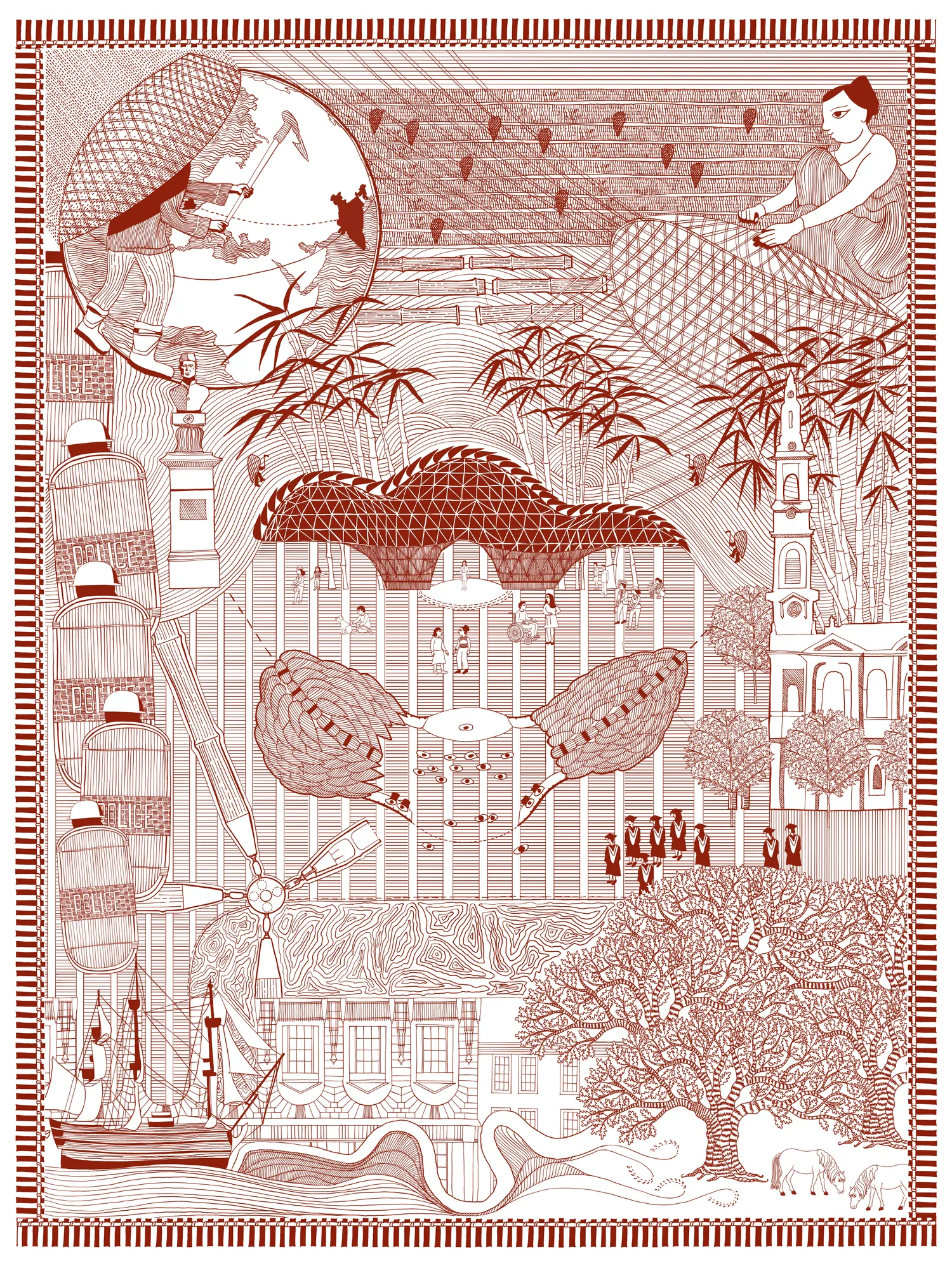
The Pangolin Shield by Studio Saar and Atelier One is planned for Strand Aldwych. Its bamboo grid shell is layered with traditional Indian police shields and woven rain shields used by farmers in north-eastern India.
The formal reference is the pangolin’s protective scales, but the project goes further, using the structure to discuss colonial histories, ecological exploitation and the meaning of protection in shared public space.
3. Furniture launches are still a major reason to go
LDF is not abandoning the commercial side of design. Heal’s is staging Future Icons at its Tottenham Court Road flagship, selecting furniture and lighting it believes could become the next generation of modern classics. Tom Dixon’s King’s Cross flagship is also showing the full AW26 collection together in London for the first time, alongside an early look at SS27.
For interior designers and buyers, those showroom programmes are often as useful as the large public installations because they reveal what is actually moving into production: finishes, lighting typologies, seating proportions and new material combinations.
| What to watch | Why it matters |
|---|---|
| Craft + technology | Traditional making is being treated as a platform for contemporary design rather than nostalgia. |
| Architecture as exhibition | St Paul’s, Strand Aldwych and the Barbican become active parts of the work. |
| Material storytelling | Bamboo, palm weaving and archival interiors carry cultural context, not just surface texture. |
| Showroom launches | Furniture and lighting brands use the festival to preview what will reach real interiors next. |
A simple way to plan the week
Start with a major installation or museum programme you do not want to miss.
STEP 2 — Build around a district.
Choose nearby showrooms and smaller exhibitions instead of crossing the city repeatedly.
STEP 3 — Separate inspiration from sourcing.
Use public commissions for broader ideas; use brand showrooms for products, materials and specification leads.
STEP 4 — Check dates before travelling.
Not every programme runs for all nine festival days, and some require free tickets or timed entry.
What makes 2026 worth watching
The most interesting part of this year’s programme is not a single style or colour. It is the way design is being framed as an exchange between old techniques and new systems, between local histories and global audiences, and between permanent architecture and temporary intervention.
That makes London Design Festival useful even if you are not travelling to London. Over the next week, the installations and product launches that receive the strongest response will offer an early signal of which ideas are likely to circulate through interiors, furniture and retail design into 2027.
Official references
- London Design Festival — official site and 2026 programme
- London Design Festival — LDF Projects 2026
- London Design Festival — First Look at LDF26
- Heal’s Future Icons — official LDF programme listing
- Tom Dixon: Have You Seen The Light? — official LDF programme listing
Programme details checked 10 September 2026. Event times and access conditions can change; check the official listing before visiting. Images are official festival visuals credited above and are referenced for editorial coverage; copyright remains with the respective rights holders.


댓글
댓글 쓰기